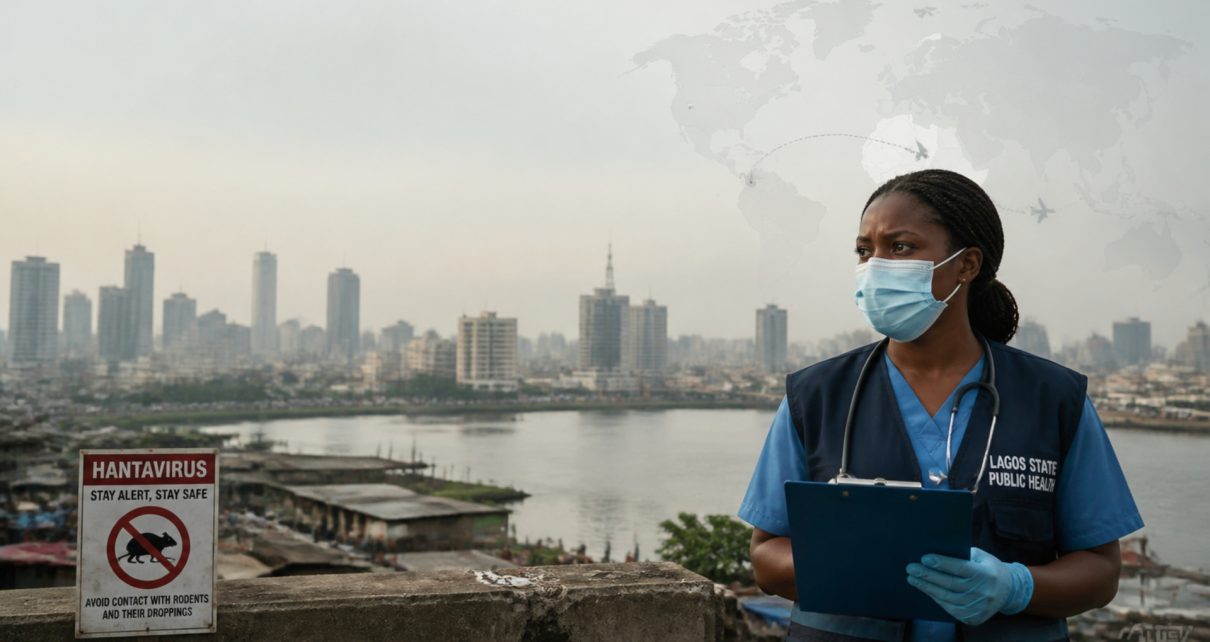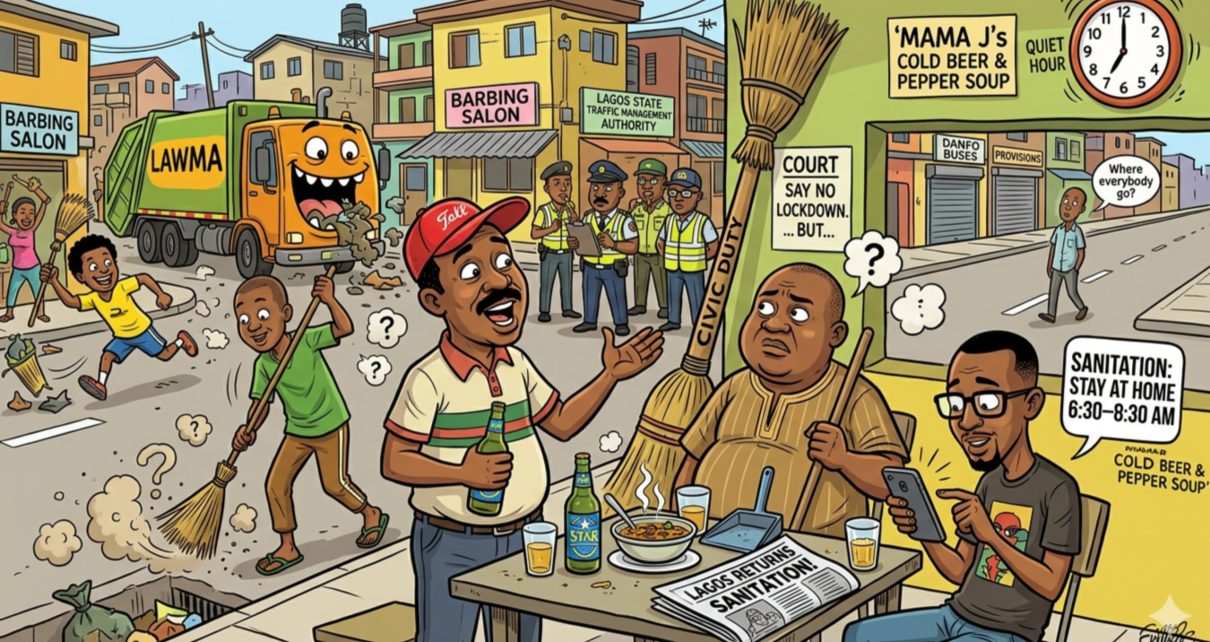
By Nkanu Egbe In the sprawling, high-energy corridors of Lagos, the gap between state-mandated environmental standards and the harsh reality of urban infrastructure has never been more visible. This week, the Lagos State Government, via the Ministry of the Environment and Water Resources, issued a directive that acts as both a plea and a provocation: Read More…
Civic & Governance
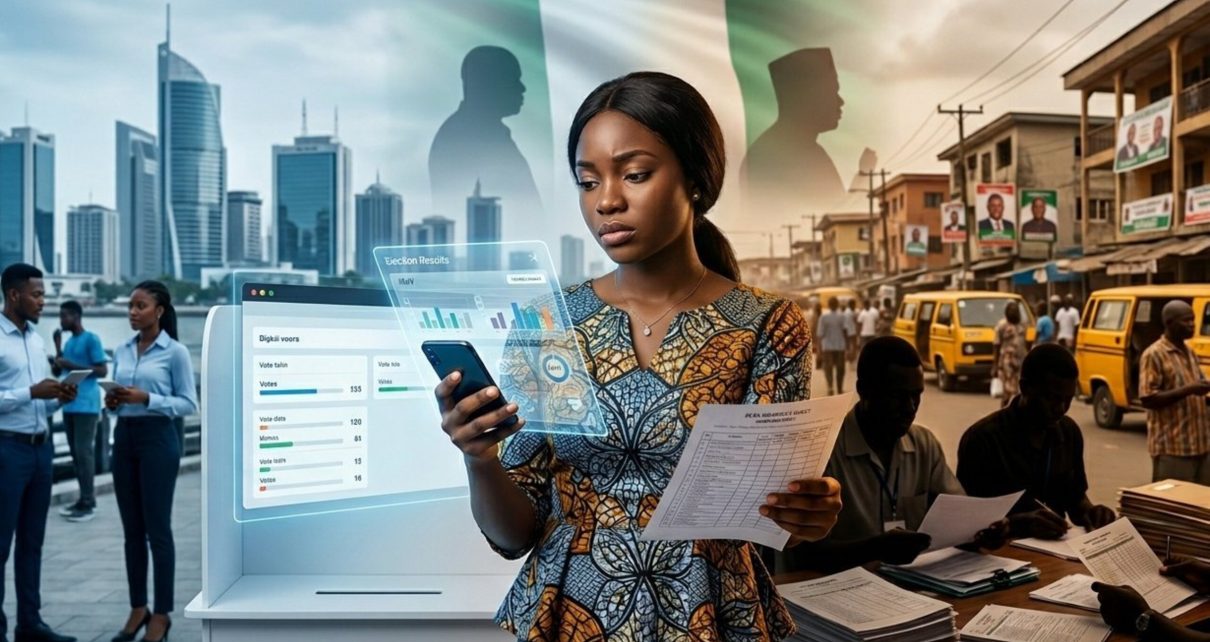
Lagos, iReV, and the Obidients: How Tinubu’s Mastery may decide Nigeria’s 2027 election
By Nkanu Egbe In 2015, Nigerians discovered that social media could win elections. APC “social warriors” waged relentless online campaigns against the PDP, and their victory entrenched digital warfare in the public sphere. Then came #ENDSARS in 2020: a youth‑led uprising against police brutality, the Lekki toll‑gate massacre, and the impunity of the state. Out Read More…
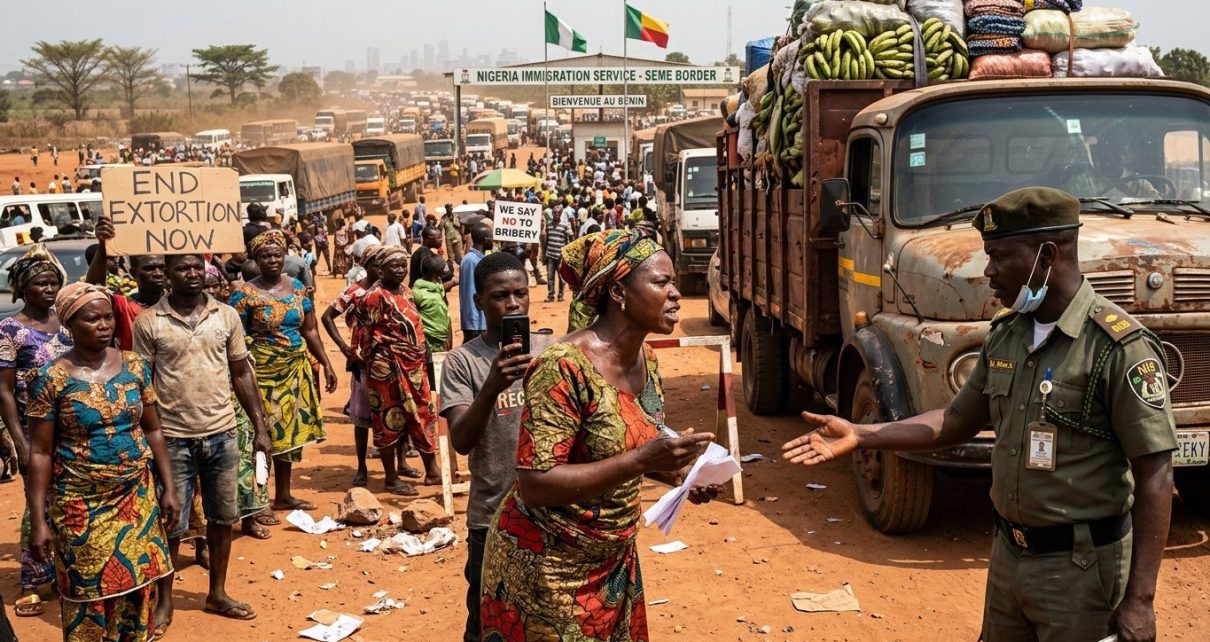
Lagos-Seme Border Scandal: NIS Suspensions Signal Crackdown on Endemic Extortion
On Friday, April 10, 2026, Nigeria Immigration Service (NIS) Comptroller-General Kemi Nandap suspended comptrollers at the Lagos-Seme border commands in direct response to viral videos exposing officers’ extortion of traders and travelers, igniting public fury and prompting a formal probe. The Lagos-Seme border, Nigeria’s pulsating gateway to West Africa, has erupted into scandal once again. Read More…
Kissinger, the IMF, and Nigeria’s Endless Economic Reckoning
A missionary’s voice cuts through the haze of Nigeria’s economic despair. “And a lot of Nigerians do not know… if you go back to the 1974 Kissinger Report… it says explicitly there, that the Nigerian people must not be given access to their resources—that they must be kept for the rich nations,” declares Prof. Kent Read More…
“Camera Fit See, But E Fit Save?”
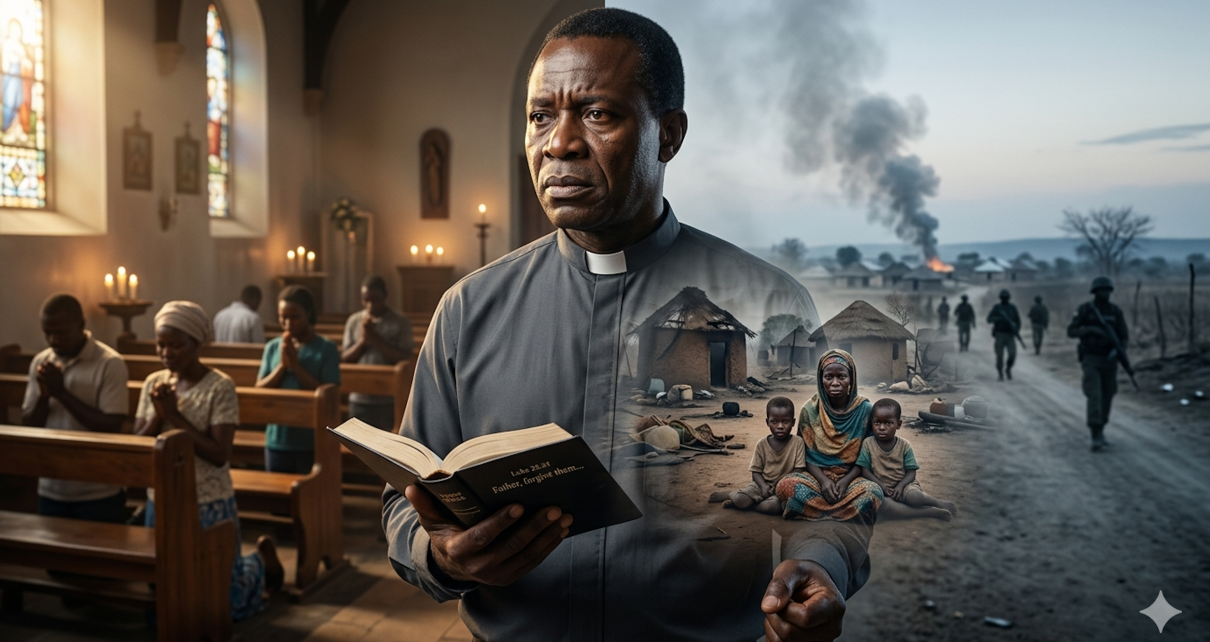
There are weeks when Lagos debates fuel prices, football, or foreign wars. And then there are weeks when the country is forced to confront something heavier—something that refuses to sit comfortably inside humour. This was one of those weeks. News broke of yet another deadly attack in Plateau State. Lives lost. Communities shaken. Familiar headlines, Read More…
By 2030, Nigeria falls off the fiscal cliff—and the $6 billion loan is the warning sign
By Nkanu Egbe Nigeria is running out of room. Not in the physical sense, and not even in the way most people think about money. The country is approaching something far more dangerous—a point where its revenues can no longer sustain its obligations, where borrowing ceases to be a solution, and where even willing lenders Read More…
Lagos’ $7.5 Million Flood Insurance Deal: Smart Innovation or Expensive Safety Net?
A Lagos Metropolitan News Analysis Lagos has always lived with water. From the lagoon that defines its geography to the Atlantic that shapes its destiny, the city’s relationship with flooding is not new. What is new, however, is how the state is choosing to respond. With its $7.5 million parametric flood insurance deal, the Lagos State Read More…
The Cost of Nigeria (3) – The Reform Map: 10 Changes Nigeria Must Make to Escape the Poverty Trap
If poverty, inflation and weak state capacity are symptoms, Nigeria’s governance design is part of the disease. From an oversized cabinet to duplicated agencies and weak local government structure, here are 10 constitutional and institutional reforms that could help cut waste, free up public funds and make growth more inclusive. Nigeria’s poverty crisis has exposed Read More…
After the Pageantry, comes the Ports: A Lagos-Centred Reading of Tinubu’s UK Visit
A Return Framed by Politics, Defined by Economics President Bola Tinubu’s return to Lagos at 1.15 a.m. on Friday, March 20, after his UK state visit was politically choreographed around Eid-el-Fitr, but economically the bigger story travelled back with him in paperwork, signatures and financing guarantees. Before leaving London, Tinubu witnessed the sealing of a Read More…
The cost of Nigeria (2) — Nigeria’s Expensive Constitution: The High Cost of Governing the State
Nigeria’s rising poverty crisis is not only about inflation, fuel prices or exchange rates. Beneath the economic turbulence lies a deeper structural problem: the cost of running the Nigerian state itself. When economists discuss Nigeria’s poverty surge—now estimated to affect roughly six out of every ten Nigerians—the conversation usually begins with inflation, food prices, fuel Read More…