

Dinning etiquette is key to making a positive impression in social settings, whether at a formal dinner or a casual meal with friends.
Mastering the basics of dinning etiquette ensures you feel confident and at ease in any situation.
This guide provides 5 essential etiquette tips to navigate any dining experience with grace and poise.
From decoding table settings to handling conversations, this guide equips you with the knowledge for confident dining.
1. Understanding Table Settings
Knowing your way around different table settings can save you from confusion during meals.
In general, utensils are arranged in the order of use from the outside in. Forks go on the left, while knives and spoons are on the right.
The bread plate is always on your left, and your drink is on your right.
Remembering these placements can prevent awkward moments, and guarantee smooth dining experiences.
2. Proper Use of Utensils
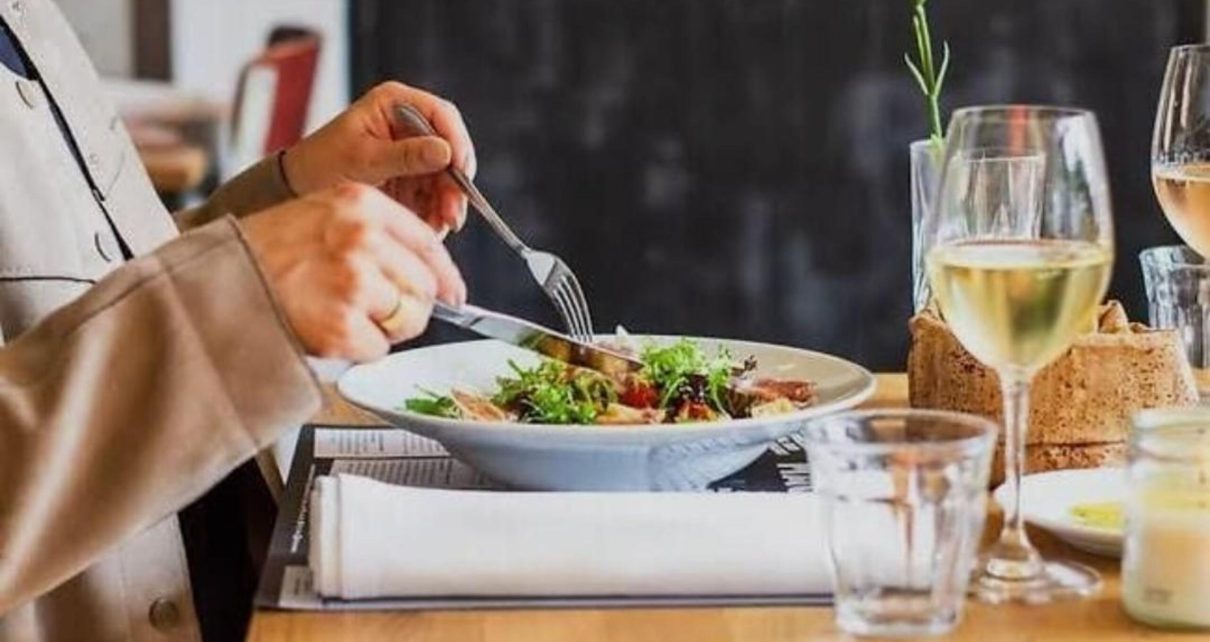
Proper utensil etiquette is essential for exhibiting good manners at the dinner table.
Hold forks on your left hand for cutting food, then switch to your right hand for eating if you are right handed.
Keep knives in your right hand for cutting, but only use them when necessary.
Refrain from gesturing with utensils or setting them back on the table once used; instead, place them on your plate when not in use.
3. Engaging in Polite Conversation
The art of polite conversation elevates any dining experience.
Stick to light-hearted topics that invite everyone at the table to join in, and avoid divisive subjects like politics and religion.
Show interest in what others are saying by nodding occasionally, making eye contact and giving everyone a chance to contribute.
4. Managing Dining Pace
Eating at a moderate pace fosters a sense of togetherness during meals by giving everyone the opportunity to savor their food at a similar rythm.
This harmony allows diners to fully immerse themselves in the shared experience, enhancing the overall ambience.
By regulating your pace, you cultivate a more relaxed and enjoyable dining atmosphere, enabling everyone to relish their meal and engage in conversation without feeling rushed.
5. Handling Difficult Foods Gracefully
Some foods are just plain tricky when it comes to eating them without making a mess, like spaghetti noodles.
They get all tangled up, and you have to do this whole fancy twirl thing with your fork and spoon like you’ve been rehearsing it all day.
These are the basics and they should tide you through at the beginning.
- Joy Essien is Contributing Editor, Lagos Metropolitan


