The economic shock has not landed yet — but the signals are flashing
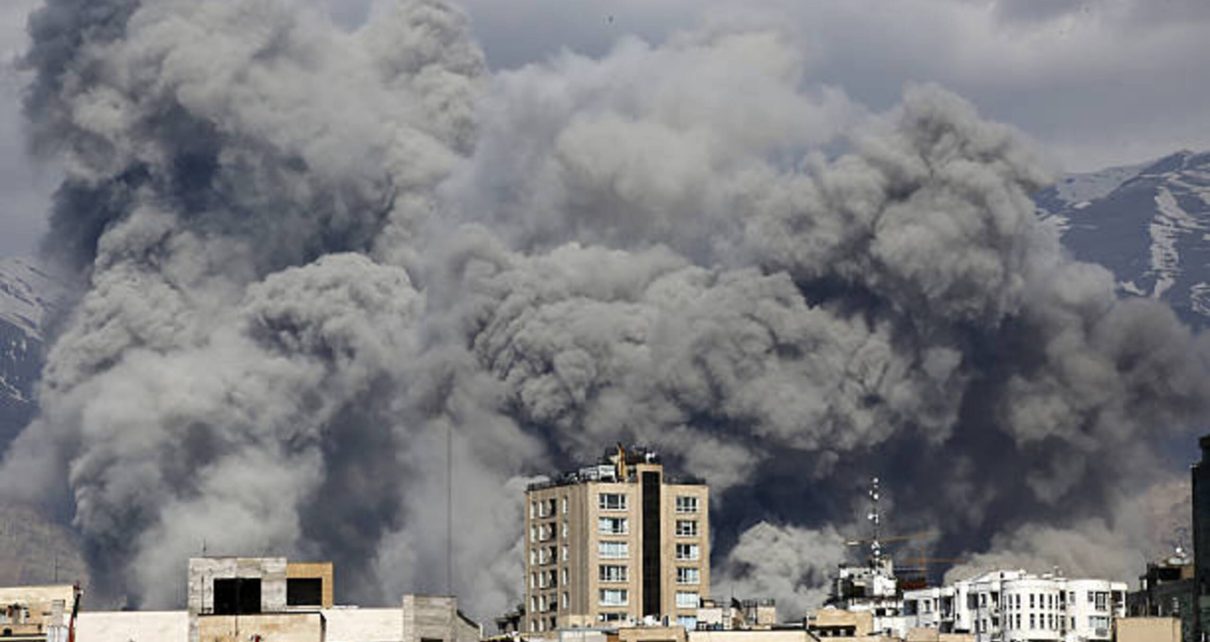
The war between the United States, Israel and Iran may be unfolding thousands of kilometres away, but Lagos — as Nigeria’s commercial nerve centre — is watching closely.
For now, transport fares have not surged again, food prices have not spiked dramatically, and Apapa is not in crisis mode.
But history shows that when energy routes are threatened and shipping insurance premiums rise, Lagos eventually feels it.
The question is not panic. The question is preparedness.
Transport: Watching Fuel Landing Costs
Global oil prices typically react quickly to Middle East instability, especially when shipping routes like the Strait of Hormuz are perceived as vulnerable.
Nigeria still depends significantly on imported refined petroleum products. That means if landing costs rise, operators — from BRT to danfo drivers — will eventually adjust.
As of now, no immediate city-wide fare surge has occurred beyond existing adjustments. But sustained crude volatility could pressure:
- Diesel prices
- Petrol landing costs
- Aviation fuel supply
Transport is usually the first domestic channel through which global energy shocks transmit.
Food: Logistics Is the Real Vulnerability
Lagos does not grow most of its staples. The city depends on long-haul trucking from the North and neighbouring states.
If diesel rises meaningfully, Mile 12 and Mushin markets would feel it — not because farms failed, but because logistics became more expensive.
So far, traders report caution — not crisis. But fuel-driven inflation can move quickly if sustained.
Ports: Risk Pricing Hasn’t Hit Hard — Yet
Apapa and Tin Can Island ports are deeply exposed to global shipping conditions.
In major conflicts, shipping insurers and freight carriers typically:
- Reprice war-risk coverage
- Add surcharges
- Reroute vessels
If that pattern deepens, Lagos importers — electronics, pharmaceuticals, spare parts, raw materials — would see higher landed costs.
At the moment, there is no major congestion spike linked to the war. But commercial operators are watching insurance advisories carefully.
Commercial Intelligence: What Businesses Are Monitoring
For Lagos-based SMEs and corporate operators, this is a risk-management moment.
Here’s what smart operators are tracking:
Brent crude movement consistency
One-day spikes do not matter. Sustained price elevation does.
Shipping insurance advisories
War-risk surcharges are often the earliest cost signals.
Exchange-rate spreads
External shocks test FX stability. A widening official–parallel gap would be an early warning.
Jet fuel and cargo costs
Airlines and cargo operators respond quickly to global energy volatility.
Inventory buffer strategies
Some importers are already reviewing stock cycles and forward orders — not in panic, but in prudence.
This is not yet a cost crisis. It is a risk horizon.
The Oil Paradox: Revenue vs Exposure
If crude prices stay elevated, Nigeria’s federal revenues could improve.
But Lagos businesses operate on:
- Refined fuel imports
- Freight costs
- FX access
- Consumer purchasing power
Higher oil prices nationally do not automatically mean lower costs locally.
What It Means for You
For now:
- Transport remains stable beyond earlier adjustments
- Food prices are steady but sensitive to diesel
- Imports are landing without unusual disruption
- The naira has not shown war-driven stress
But if global volatility persists:
- Expect fuel-sensitive sectors to move first
- Expect freight-sensitive goods to follow
- Expect business pricing models to adjust gradually
The Bottom Line
The economic shock has not yet hit Lagos.
But the city is structurally exposed to energy and shipping volatility.
In a globally connected commercial capital, wars do not need to be nearby to matter.
For Lagos, this is not a moment of crisis.
It is a moment of watchfulness.


