
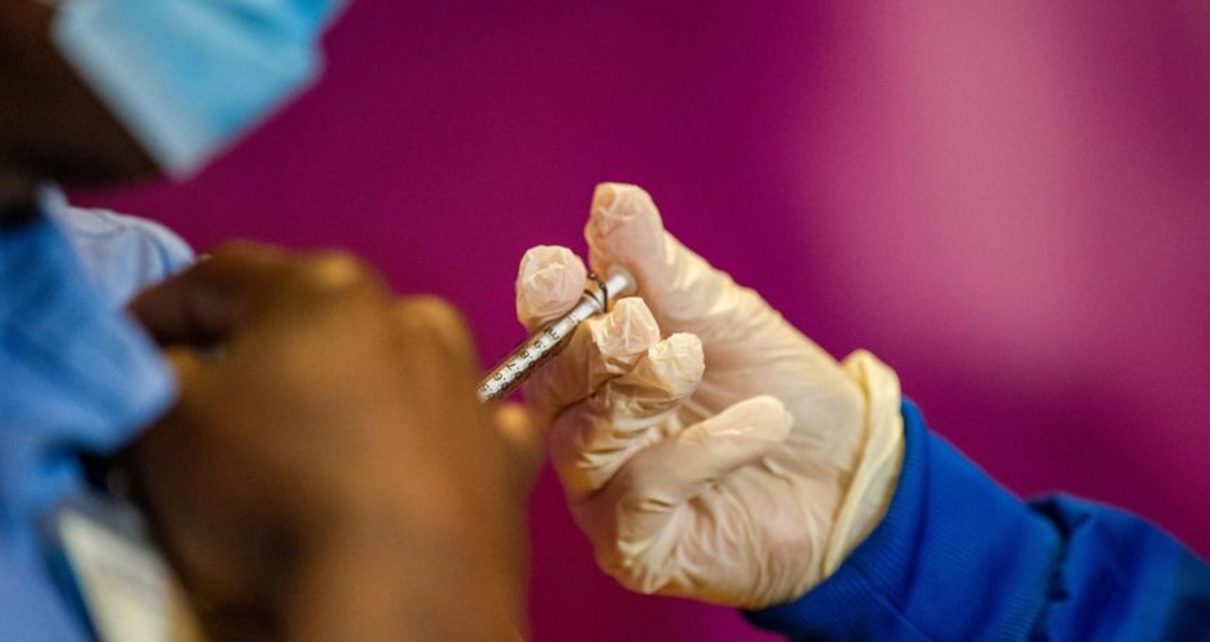
Increasing community trust in vaccination can help increase access to vaccines.
This was revealed in a statement released on Monday in Lagos by Dr. Fejiro Chinye-Nwoko, General Manager/CEO of Nigerian Solidarity Support Fund (NSSF).
According to Chinye-Nwoko, to drive this awareness, the NSSF will host a webinar on “Building Community Confidence in Vaccines” in June 2023 to help achieve the aim of community immunisation.
She stated that the webinar would bring together experts and stakeholders to exchange knowledge and tactics for overcoming vaccine hesitancy, boosting immunisation rates, and fostering community faith in vaccinations.
She said that NSSF is dedicated to ensuring that everyone has access to accurate information and vaccines in addition to increasing vaccine access in Nigeria.
“Building community confidence in vaccines is critical to expanding access to vaccines in Nigeria and improving public health outcomes,” Chinye-Nwoko said.
Increasing vaccination access in Nigeria and enhancing public health outcomes depend on instilling community trust in vaccines, according to Chinye-Nwoko.
She pointed out that increasing access to vaccines has become a critical priority for the government as the COVID-19 pandemic continues to affect Nigeria.
Herd immunity remains a serious challenge, according to her, despite the efforts of health officials to overcome vaccination hesitancy.
Misinformation, according to her, is one of the main causes of vaccine reluctance.
“So, how can we build community confidence in vaccines and overcome this challenge?
“Social media and other channels can spread false information about vaccines quickly, leading people to doubt their safety and effectiveness.
” To counter this, it is crucial to provide accurate information about vaccines and their benefits.
“To achieve this, the Nigerian government has been collaborating with local organizations and community leaders to promote accurate information about vaccines.
“This includes public awareness campaigns and targeted outreach to areas with low vaccination rates.
“Health workers have also been trained to provide accurate information about vaccines and answer any questions patients may have,” Chinye-Nwoko said.
She said that encouraging community involvement was another another approach to increase public trust in vaccines.
According to the GM, interacting with local communities and learning about their issues could assist to foster trust and raise immunisation rates.
Effective community participation, according to her, might include coordinating vaccination campaigns with local leaders, disseminating information about vaccines in regional languages, and responding to any worries or inquiries that people might have.
“It is also essential to address any barriers to accessing vaccines that may exist in the community.
“Some people may not have access to transportation to vaccination sites, while others may not be able to take time off work to get vaccinated.
” Addressing these barriers can help to increase vaccination rates and build community confidence in vaccines,” Chinye-Nwoko said.
According to the CEO, Nigeria has also taken steps to make sure that vaccines are available and reasonably priced for everyone.
She claimed that individuals who couldn’t afford immunisations received them from the government for free or at a reduced price.
She claimed that the government’s efforts could contribute to making sure that everyone, regardless of socioeconomic position, has access to the advantages of immunisation.
“Finally, it is vital to celebrate the successes of vaccination campaigns and highlight the benefits of vaccination.
“When people see their friends and family members getting vaccinated and experiencing the benefits of vaccination, it can help to build confidence in vaccines and increase vaccination rates,” Chinye-Nwoko added


