
Global airlines warned on Monday that concerns over blocked airline funds in Africa, especially in Nigeria, and abroad might lead to service disruptions if efforts to unfreeze money owed did not progress.
The International Air Transport Association (IATA) said in a briefing on the launch of an effort to enhance African aviation that some $1.6 billion in cash was being blocked in various African nations owing to currency shortages or other issues.
“The people who suffer as a result of these blocked funds are consumers in these markets because you cannot expect airlines to continue to provide services if in effect they’re not being paid,” IATA Director General Willie Walsh said.
The issue of airline cash being blocked in some countries where carriers operate has been growing as demand for hard currency outstrips availability, with IATA ramping up efforts to reduce a shortfall that increased by 25% in the final six months of 2022 alone.
According to the Geneva-based organisation, which represents the majority of the world’s major airlines, Nigeria is at the top of the list of nations withholding cash, with Algeria and Ghana also participating.
A total of $2.4 billion has been stopped globally.
Due to acute foreign currency shortages in Nigeria, airlines cannot simply convert local currency to repatriate income received from overseas airline ticket sales.
Hadi Sirika, the aviation minister, has stated that he can only continue to encourage the central bank to make dollars accessible to airlines.
On Monday, a representative for the Central Bank of Nigeria did not reply quickly to a request for comment by Reuters.
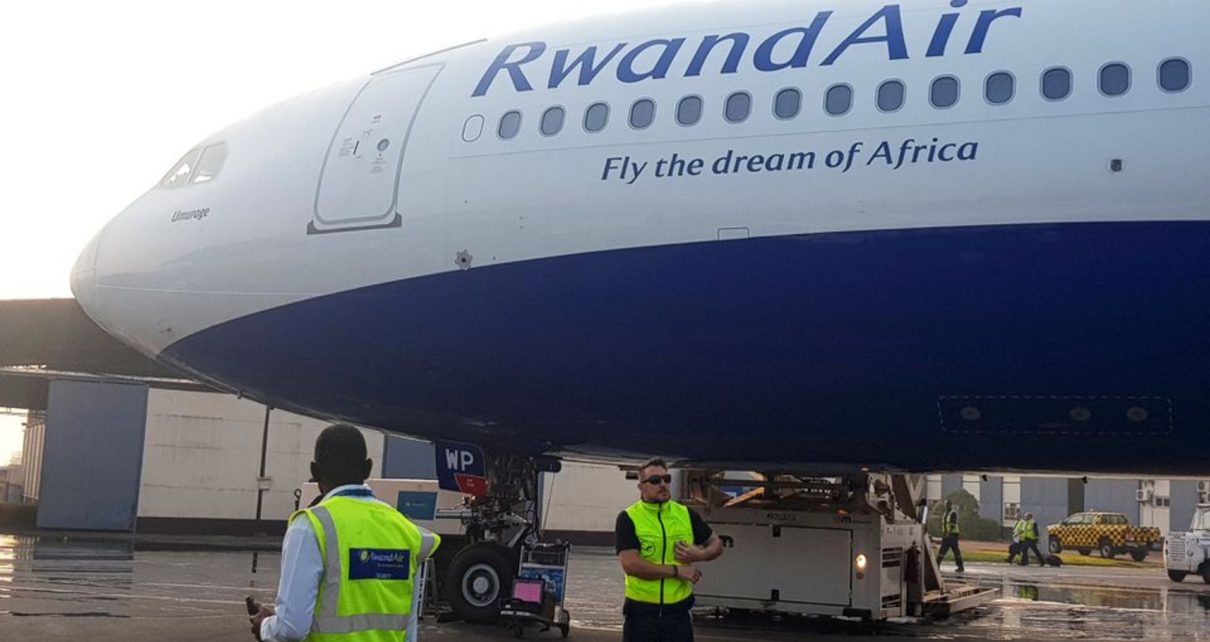
According to RwandAir Chief Executive Yvonne Makolo, around half of the $1.6 billion frozen in Africa is in Nigeria.
Makolo, who has been named the next chairman and the first female leader of the prestigious IATA board, has also urged for speedier progress towards the establishment of an African aviation market.
Attempts to liberalise flying, mirroring Europe’s single aviation market, have been discussed since the 1988 Yamoussoukro Declaration, which was amended 11 years later.
Proponents argue that liberalising frequency, rates, and capacity would remove constraints that have previously boosted costs.
Despite a new African Union proposal in 2018 to create a single African air transport market (SAATM), sponsored by more than 30 governments, implementation has been delayed.
According to analysts, several carriers are concerned about being exposed in a market already dominated by competition from the Gulf and Turkey.
According to Makolo, allowing the movement of products and people by air would help the centrepiece African Continental Free Trade Agreement (AfCFTA), which the World Bank predicts may raise tens of millions out of poverty by 2035.
“It’s an exciting opportunity for the continent, which we really need to take advantage of as quickly as possible,” she said.
Africa’s aviation business is rebounding quicker than the rest of the industry, but it is still likely to lose money owing to increased prices and inadequate infrastructure.
According to IATA, traffic is predicted to quadruple by 2035.


