
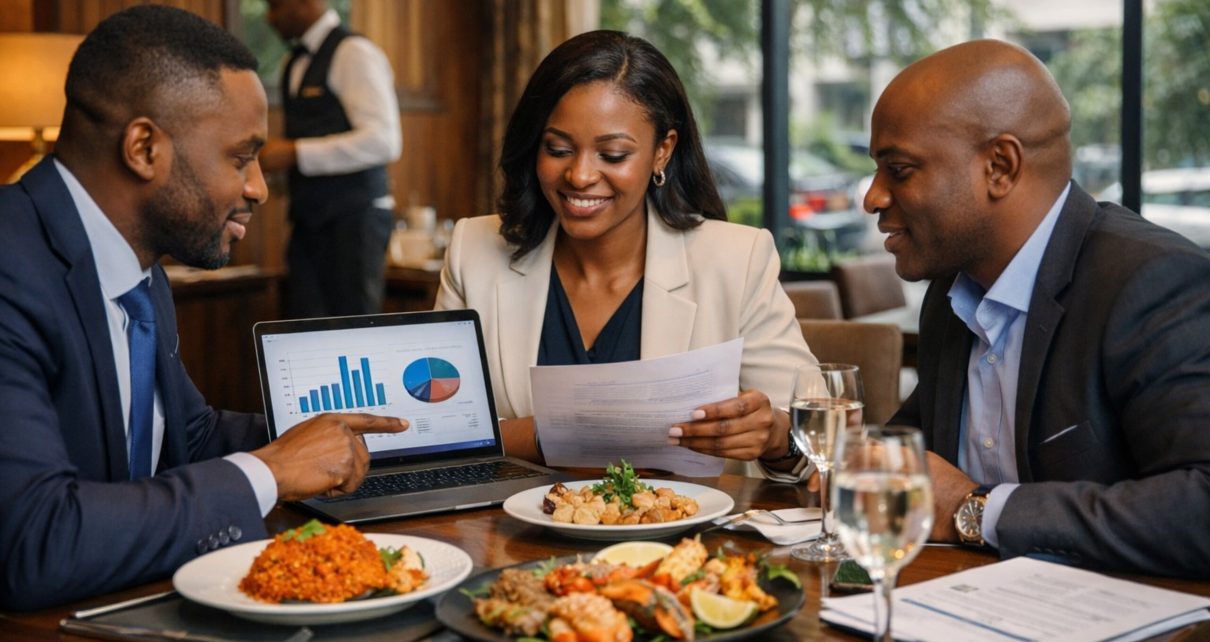
Ikeja GRA remains the premier destination for business dining in Lagos, offering a mix of sophisticated hotel-based restaurants and independent upscale bistros that provide the necessary privacy and ambiance for professional discussions. Ikeja’s dining scene is centered around the upscale Ikeja GRA area and the bustling City Mall, offering a variety of sophisticated Asian, local Nigerian, and intercontinental options.
These restaurants in Ikeja provide a range of experiences, from specialized fine dining and global buffets to vibrant local flavors and serene garden settings, all tailored to meet professional standards.
How We Arrived at The Results
Rating a restaurant is part science and part soul. While a casual diner might just think, “I liked it,” professional critics and guides (like Michelin or James Beard) use a rigorous set of pillars to determine if an establishment is truly “good.”
Here is how the experts—and the most discerning foodies—break it down.
1. The Five Pillars of Culinary Excellence
Most professional rating systems, including the Michelin Guide, focus on these universal criteria to judge the food itself:
Quality of Ingredients: Are the produce, meats, and spices fresh, seasonal, and of high grade? Even a simple dish can be “good” if the ingredients are exceptional.
Mastery of Technique: This is the “chef’s skill.” Is the steak seared perfectly? Is the pasta al dente? Is the sauce emulsified correctly?
Harmony of Flavours: A great dish isn’t just about bold taste; it’s about balance. Do the acidity, salt, fat, and heat work together, or does one overpower the rest?
The Chef’s Personality: Does the food tell a story or show a unique point of view? A “good” restaurant often has a signature style that you can’t find elsewhere.
Consistency: This is the hardest part. The meal must be just as good on a busy Saturday night as it is on a quiet Tuesday afternoon.
2. Service and Hospitality
While some guides (like Michelin) claim to rate only the plate, most diners and critics (like the James Beard Foundation) include the “human” element:
Pacing: Are you being rushed to turn the table, or are you waiting 40 minutes between appetizers and mains?
Knowledge: Can the server explain the menu, suggest wine pairings, or handle dietary restrictions without running to the kitchen every two minutes?
Anticipation: The “gold standard” of service is when a waiter refills your water or drops a new napkin before you even realize you need it.
3. The “Vibe” (Ambiance)
A restaurant’s environment should match its price point and mission.
Sensory Details: Lighting (too bright?), Acoustics (can you hear your partner?), and Temperature.
Cohesion: Does the decor match the food? High-end sushi served in a room that looks like a 90s office building creates “sensory dissonance.”
The Pro’s Checklist
If you want to rate a restaurant like a critic, ask yourself these three questions before you leave:
“Would I tell a friend to go out of their way for this?” Uniqueness and Value.
“Was the best thing I ate better than what I could make at home?” Technical Skill.
“Did the staff make me feel like a guest or a transaction?” Hospitality.
The Listings
1. Yellow Chilli Restaurant & Bar
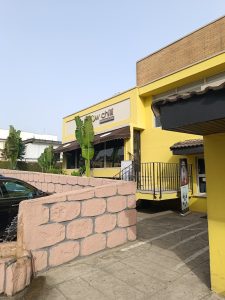
Yellow Chilli Restaurant & Bar is a landmark in Ikeja GRA, perfect for a business lunch where you want to impress with high-quality Nigerian cuisine in a professional setting.
Renowned for its “Seafood Okra” and gourmet interpretations of traditional Nigerian dishes.
Offers a vibrant yet professional ambiance with enough space between tables for private conversation.
Consistently praised by reviewers for its professional service and reliable food quality.
2. Wakame Asian Kitchen & Lounge
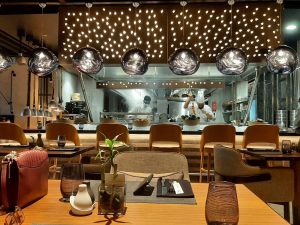
Wakame Asian Kitchen & Lounge is widely considered one of the most prestigious venues for high-stakes business meetings, located within the Lagos Marriott Hotel.
Features a sleek, contemporary design with a dedicated business-friendly environment.
Offers a sophisticated menu of Asian-fusion dishes and shareable small plates.
Provides a quiet, upscale atmosphere suitable for closing deals or hosting international clients.
3. Bob’s Diner
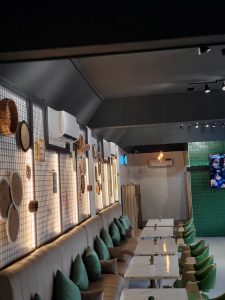
Bob’s Diner is a versatile option for business diners who need a broad menu to satisfy different tastes, from Lebanese and Italian to Nigerian.
Boasts a spacious and wonderful ambiance that is well-suited for larger groups or departmental meetings.
Reviewers frequently highlight the “Better Food, Better Mood” motto, noting the polite staff and clean environment.
Conveniently located with ample room for professional interactions.
4. ZEN Garden Restaurant
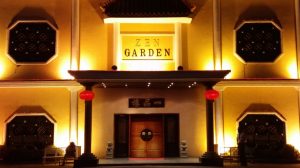
ZEN Garden Restaurant provides a formal and authentic Chinese dining experience in the heart of Ikeja GRA.
Specializes in traditional Chinese dishes, including dim sum and hot pot.
The interior features classic Chinese-themed decor, creating a serene and immersive environment.
Visitors frequently recommend it for special occasions and large group dinners due to its spacious and elegant layout.
5. Ocean Basket
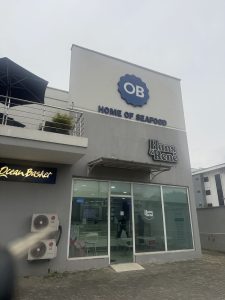
Ocean Basket is a top pick for seafood lovers, offering a modern and cheerful setting for Mediterranean-style dining.
Well-known for its large seafood platters, sushi, and fresh grilled fish designed for sharing.
The atmosphere is described as casual yet modern, making it great for a friendly meal or a family outing.
Reviewers appreciate the consistent quality of the seafood and the welcoming, home-away-from-home feeling.
6. The Place Restaurant
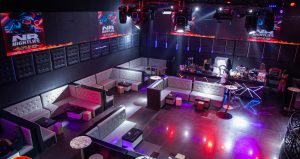
The Place Restaurant is a staple for reliable and delicious local dishes in a welcoming environment.
Offers a wide variety of Nigerian staples, including Jollof rice, Asun (spicy goat meat), and various “swallows.”
While more casual than some GRA counterparts, it is highly favored for its consistency and quick service.
Ideal for a quick but high-quality local lunch or a casual evening meal.
7. The Orchid Bistro
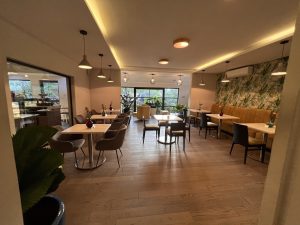
The Orchid Bistro is an excellent choice for a more relaxed, “garden-style” business meeting or an early morning breakfast briefing.
Known for its serene garden environment that offers a peaceful escape from the Lagos bustle.
Serves high-quality continental dishes and is particularly popular for its quiet, light-filled interior.
Ideal for one-on-one strategy sessions or informal catch-ups.
8. Cilantro Ikeja

Cilantro Ikeja offers an inspired Indian dining experience with a calming atmosphere that works exceptionally well for midweek business discussions.
Features an extensive menu that caters to diverse palates, including many vegetarian options.
The ambiance is described as serene and professional, ideal for long-form meetings.
Provides a modern setting that balances elegance with a relaxed pace.
9. Rhapsody’s Ikeja City Mall
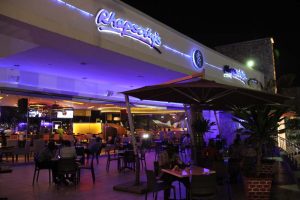
Rhapsody’s Ikeja City Mall is one of Ikeja’s most dynamic spots, blending elegance with a lively social energy.
Serves a broad menu of intercontinental favorites and cocktails.
Known for its vibrant nightlife, often featuring DJ sessions and entertainment, especially on weekends.
Its location in the City Mall makes it a convenient and high-energy choice for those looking for a lively evening out.
10. Iyeru Okin Restaurant

Iyeru Okin Restaurant at the Radisson Blu provides a classic 5-star hotel buffet and à la carte experience that is a staple for corporate lunches.
Offers a wide-ranging international buffet that is ideal for quick but high-quality business lunches.
The setting is formal and refined, aligning with corporate standards.
Its location within a major hotel makes it a secure and convenient meeting point for commuters.
How to Choose the Service
In 2026, the dining experience has evolved from “just a meal” into a holistic event. Whether people are heading out for a quick lunch in Ikeja or a high-stakes business dinner, their expectations are shaped by a few core pillars: Value, Experience, and Transparency.
Here is a breakdown of what modern diners prioritize:
1. The “Special Occasion” Value
With diners eating out slightly less frequently but spending more when they do, there is a shift toward Selective Splurging.
The “Worth It” Factor: People aren’t just looking for low prices; they want to know the experience justifies the cost.
Quality Over Gimmicks: There is a move away from “viral” or flashy food toward well-executed, honest classics and “New-stalgia”—comfort foods (like elevated jollof or gourmet burgers) that evoke happy memories.
2. Immersive & Experiential Ambiance
The “vibe” of a restaurant is now often as important as the menu.
Sense of Place: Diners look for “Statement Spaces”—interiors that are not only Instagrammable but also provide a specific sensory experience (curated playlists, intentional lighting, or even signature scents).
Interactive Elements: Open kitchens, chef’s tables, and tableside service are highly valued because they turn a meal into a performance.
3. Radical Transparency & Health
In 2026, Clarity is a trust signal.
Menu Intelligence: Diners look for clear labeling regarding allergens, calorie counts, and sourcing (e.g., “Farm-to-Table”).
Functional Foods: There is a surge in demand for “mood-boosting” or “gut-healthy” ingredients. People want to feel good after the meal, not just during it.
Sustainability: Eco-conscious diners check for zero-waste practices, compostable packaging, and local sourcing to reduce their carbon footprint.
4. Seamless Technology (The “Flow”)
Technology is expected to be invisible but efficient.
Frictionless Service: Diners expect easy online reservations, QR codes that actually work, and contactless payments that don’t stall the end of the meal.
Personalization: Frequent diners appreciate it when a restaurant “remembers” them—whether through a loyalty app that suggests their favorite wine or a server who knows their dietary restrictions.
5. Authentic “Heritage” Cooking
There is a declining interest in broad “fusion” in favor of hyper-regional authenticity.
Instead of just “Asian” or “African” food, diners are seeking out specific cultural stories, such as Western Visayan or Calabar-inspired seafood, which feel more personal and educational.
Common “Red Flags” for 2026 Diners:
Hidden upcharges or vague “service fees.”
Overly long, chaotic menus that lead to “decision fatigue.”
Servers who are unfamiliar with the menu’s ingredient origins.
Final Thoughts
Ikeja, the capital of Lagos, is a major culinary hub on the mainland, offering a diverse dining scene that ranges from high-energy mall eateries to upscale, serene spots tucked away in the Government Reserved Area (GRA). The dining experience here is often defined by a blend of authentic Nigerian flavors, international cuisines, and a vibrant social atmosphere.
Dining in Ikeja offers a high-energy experience that mirrors its status as the heartbeat of the Lagos mainland. You can expect a landscape that transitions from the polished, quiet streets of the Government Reserved Area (GRA) to the bustling, neon-lit commercial zones around the shopping malls. The food scene is defined by a “work hard, play hard” culture, where upscale corporate dining comfortably coexists with lively spots famous for cocktails and music.
Ikeja GRA is the destination for a more sophisticated and tranquil dining environment. Many restaurants here are set in converted colonial-style houses with lush gardens, offering a sense of privacy and “old-school” luxury.
- Joy Essien, Contributing Editor, Lagos Metropolitan.


