By Joy Essien, Contributing Editor, Lagos Metropolitan.
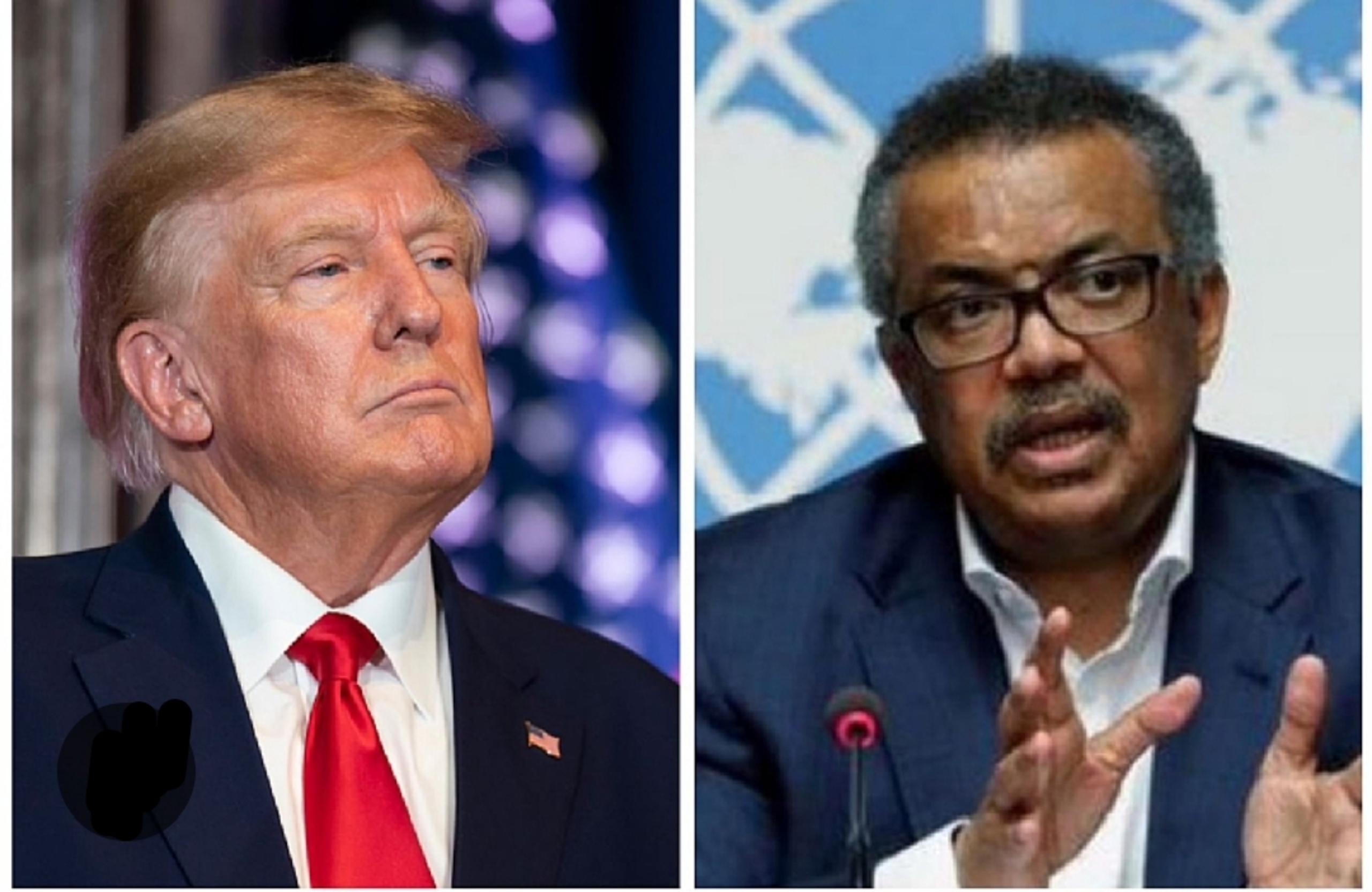
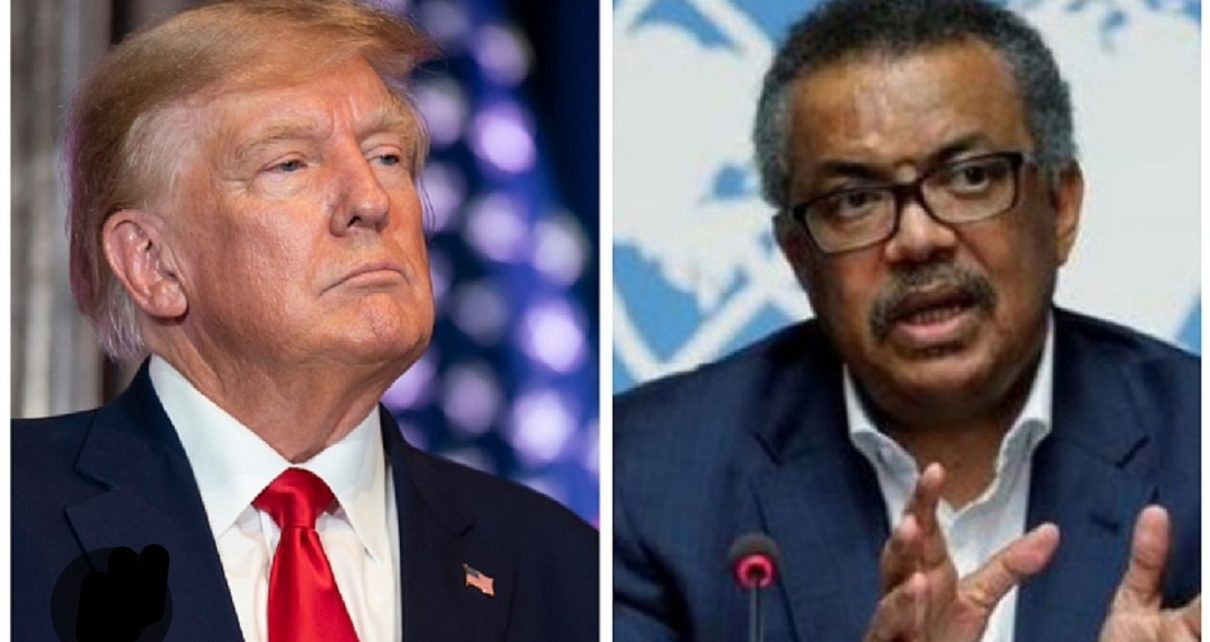
Thursday, 22 January 2026, marks the one-year anniversary of the date on which the WHO was informed that President Trump had decreed that the U.S. would terminate its membership in the organization, something he tried to do during his first term in office. According to a joint congressional resolution passed in 1948 to allow the United States to join the WHO, the country had to give a year’s notice before withdrawing.
The United States’ withdrawal from the World Health Organization became official Today, formalizing a fissure between the Trump administration and the Geneva-based global health agency that dates back to the early days of the Covid-19 pandemic.
The executive order Trump signed on his first day back in the White House cited the WHO’s “mishandling of the Covid-19 pandemic that arose out of Wuhan, China, and other global health crises, its failure to adopt urgently needed reforms, and its inability to demonstrate independence from the inappropriate political influence of WHO member states” as its rationale for leaving the organization. It also complained about the country’s assessed contributions, the highest of any member country. (Assess contributions are set based on a country’s GDP.)
A U.S. State Department spokesperson said the WHO’s failure to contain, manage and share information had cost the U.S. trillions of dollars and the president had exercised his authority to pause the future transfer of any U.S. government funds, support, or resources to the WHO.
"The American people have paid more than enough to this organization and this economic hit is beyond a down payment on any financial obligations to the organization," the spokesperson said by email.
With the WEF recently admitting that the whole COVID-19 episode was a test of public compliance, one would expect more countries to make the Trump exit and also expect to hear the WHO looking into the issues presented.
Director-General Tedros Adhanom Ghebreyesus said last week, "I hope the U.S. will reconsider and rejoin WHO,” he told reporters at a press conference earlier this month. “Withdrawing from the WHO is a lose for the United States, and it’s a lose for the rest of the world.”
The withdrawal of the U.S. has already weakened the organization. It started cutting positions and leaving vacancies unfilled last January. By midway through this year, the organization will have cut 22% of its staff in a move aimed at dealing with a vastly different economic reality.
WHAT THE DEPARTURE MEANS
For the WHO, the departure of the U.S. has sparked a budgetary crisis that has seen it cut its management team in half and scale back work, cutting budgets across the agency. Washington has traditionally been by far the U.N. health agency’s biggest financial backer, contributing around 18% of its overall funding. The WHO will also shed around a quarter of its staff by the middle of this year.
“The U.S. withdrawal from WHO could weaken the systems and collaborations the world relies on to detect, prevent, and respond to health threats,” said Kelly Henning, public health program lead at Bloomberg Philanthropies, a U.S.-based non-profit.
Member states are set to discuss the U.S. departure and how it will be handled at the WHO’s executive board in February, a WHO spokesperson said.
The US is said to owe WHO $260 million in fees.